

Field records
The fundamental unit is not a post
Each plate distinguishes what is documented, why two things were placed together, and what might be interesting about that pairing.
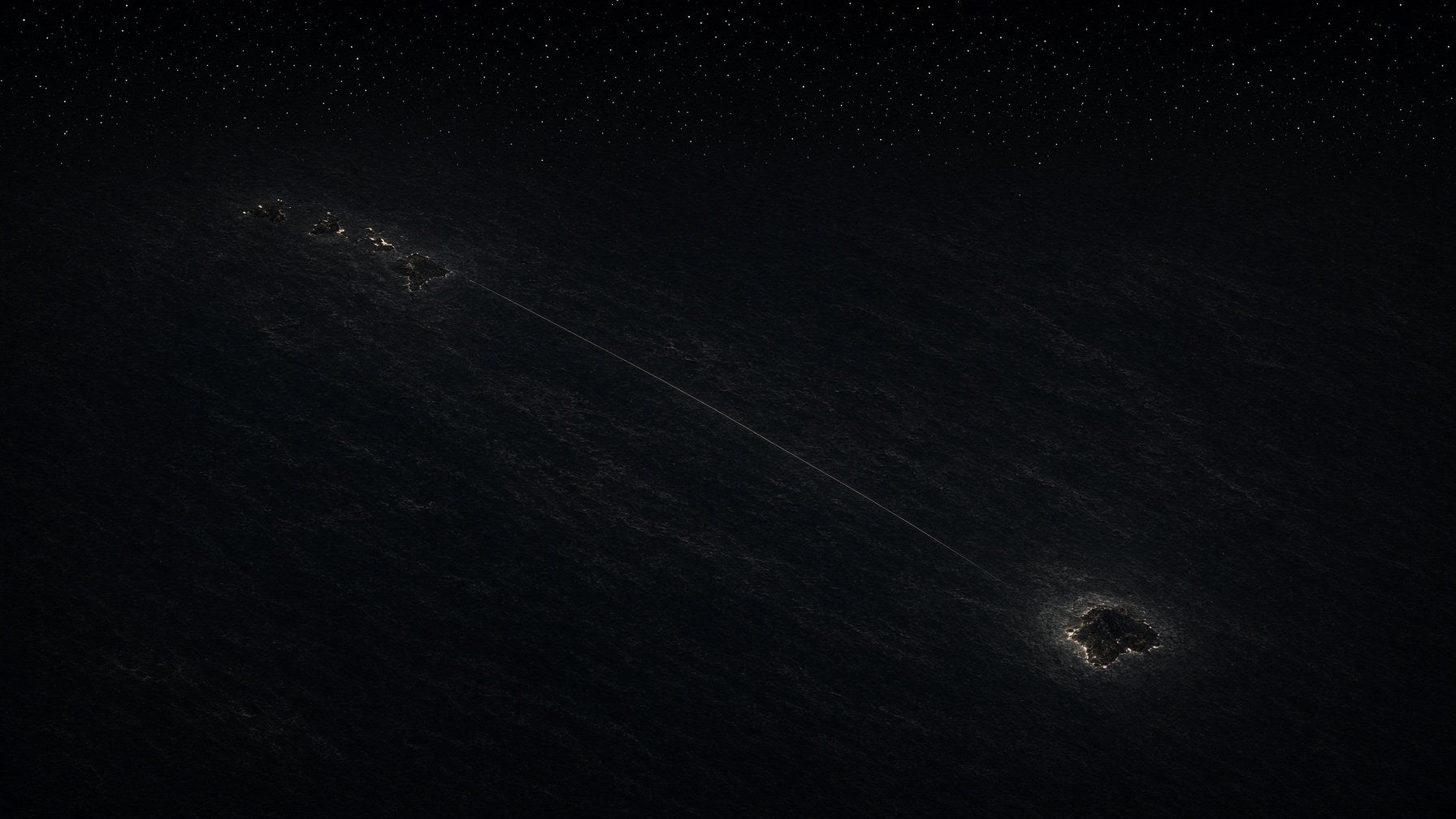
Holds · 8 March 1975
Hōkūleʻa, Star of Gladness
The canoe, the star, and the method of reading swell, bird, and sky were placed beside one another because the canoe is named for the star and was steered by a transmitted wayfinding practice.
Holds · 1976
Mau Piailug and a teacher who crossed an ocean of method
Placed beside Hōkūleʻa because the canoe's first long voyage was steered by this person, and beside 'knowing' because the method is taught through practice rather than instruments.
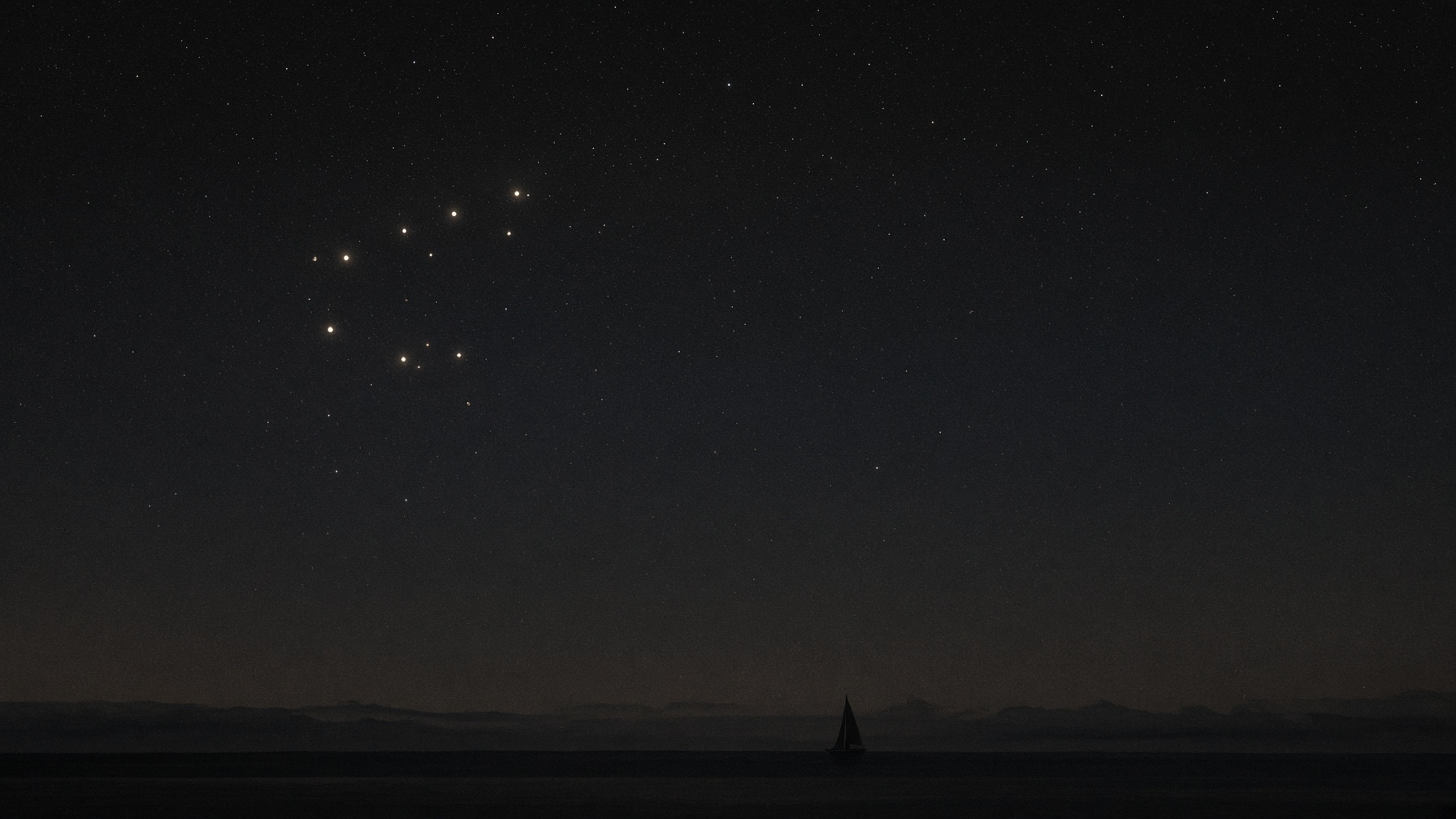
Interesting · c. 8th century BCE
Odyssey: a return that reads the world
Placed beside Hōkūleʻa because both concern finding a way home by reading sea and sky. No historical transmission from Homer to Polynesia is claimed.
Holds · 1915
Proxima Centauri: the nearest other star
Placed beside Proxima b because they belong to one system. Star and planet are related. They are not the same entity. Child sky and adult looking-up already differ.
Holds · 24 August 2016
Proxima b: a planet no one has seen the ground of
Placed beside the star because they share a system. Adult looking-up. Not the children's star story, and not a chronicle page that does not yet exist.
Interesting · 26 August 2026
The night as instrument
These three were grouped because each makes the night do work: steering, storytelling, or science.
Holds · 1979
Forty-two as an author's joke that became an aperture
Placed here because 42 opened this particular inquiry. The field does not take Adams's joke as physics.
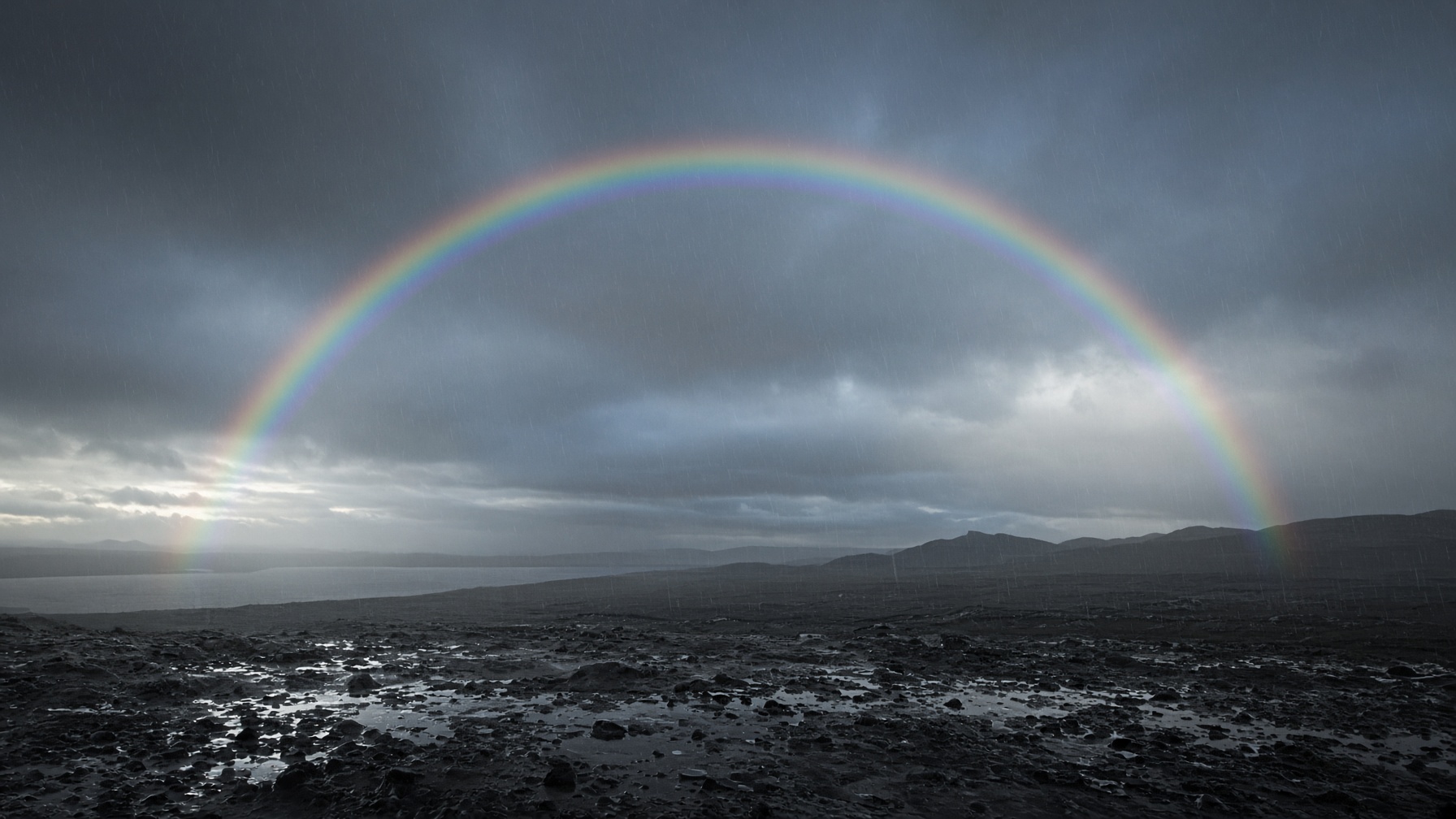
Holds · 1637
The rainbow's forty-two degrees
Placed beside Adams's 42 because both use the same numeral. The kinds of connection are different and must not be flattened.
Withdrawn · 26 August 2026
The forty-second parallel did not hold as destiny
Someone (this field, briefly) placed those cities beside 42 as if latitude were a signature. Primary geography does not support a privileged destiny line.
Withdrawn · 26 August 2026
LOVE, counted, is fifty-four
Placed beside 42 because readers sometimes hope the word LOVE will count to 42. Under this labeled system, it does not.
Holds · c. 13th century
Sunjata, Sundiata, Son-Jara
The names were placed together because they are established aliases for one narrative tradition, not because a number lined them up.
Open · 10 May 2024
One life, noticed closely
Placed beside Adams's 42 because that is how this inquiry named itself, and beside the withdrawn misses so the personal archive cannot swallow the public field.
Interesting · 26 August 2026
FIELD42, counted: 42, and 69, and 69
Placed beside Adams's 42 because this is how the atlas named itself, and beside LOVE because both counts use a labeled cipher. 69 is not treated as a second logo.
Interesting · 25 September 2021
These certain numbers just seem to be recurring
Placed beside the FIELD42 name wink because 69 appears as a sourced booster height and, separately, as two labeled counts of this atlas's name. The overlay is an editor's joke sitting on top of a real remark. Those are different kinds.
Interesting · 14 October 2020
The number had jokes before we got here
Placed beside the FIELD42 count because the same numerals appear in jokes that predate this atlas. No claim that the jokes named the atlas, or that the atlas caused the jokes.
Holds · Numbers 33
Forty-two encampments in Numbers 33
Placed beside Ithaca's English letter-count because both yield 42 under their own offices. Torah list. Homeric place-name in English. No arrow.
Holds · 28 August 2026
ITHACA, counted: 42, and 24
Placed beside the forty-two encampments as a second 42 that survives checking. Same numeral. Different office. No arrow. Station in Numbers 33 is an encampment. It is not a railroad, and it is not this island.
Holds · 28 August 2026
JOHN LOCKE, reverse reduction 42
Placed with the other 42s that survive labeled arithmetic. A name. A count. Not a hidden doctrine of government.
Interesting · 28 August 2026
CORINTH, reduction 42. Hold the wink.
Held as a wink beside Ithaca, another Greek place counted in English. Same method. Different cipher. Not a map of the Peloponnese.
Interesting · 28 August 2026
ELON REEVE MUSK, reverse reduction 69. Hold the wink.
Placed beside FIELD42 → 69 and the sourced 69.420 jokes. Personal and archival recurrence. Cultural humor. Numerical match. Not a known causal mechanism.
Interesting · 1690
1690 contains 69
Placed as a living numeral toward THE 69 YEARS. Containment of digits is not a mechanism of history.
Withdrawn · 28 August 2026
Forty-two archaeological stops did not hold
Kept beside the textual 42 so the miss stays visible. A list in a book is not a dig. A number is not a synonym for journey.
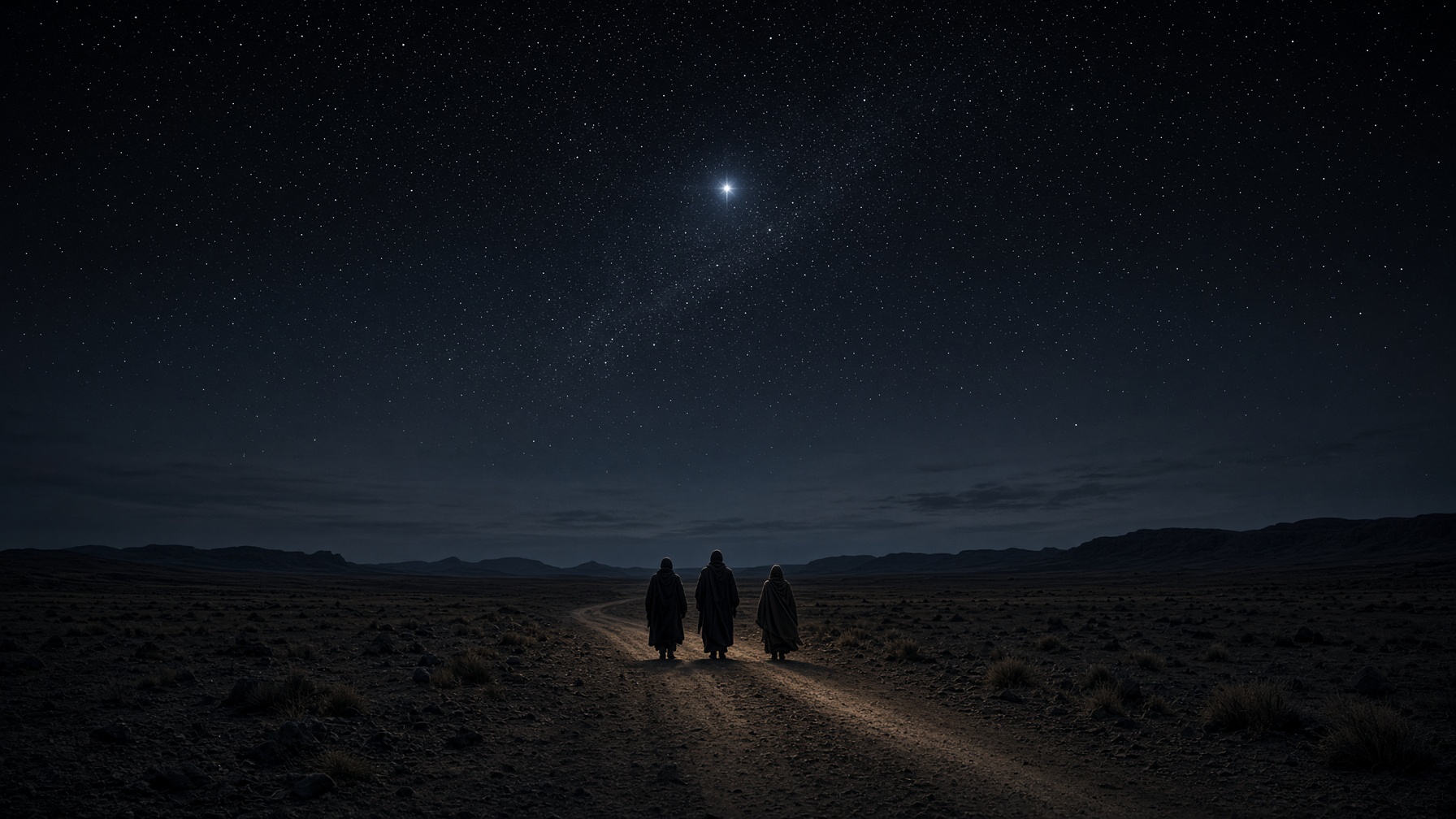
Holds · Gospel of Matthew, 1st century
The Magi and the star
Placed beside Hōkūleʻa and the Odyssey because all three involve a night object and a journey. The Magi story is a sacred sign inside a gospel. It is not a star compass, and no historical transmission to Polynesia is claimed.
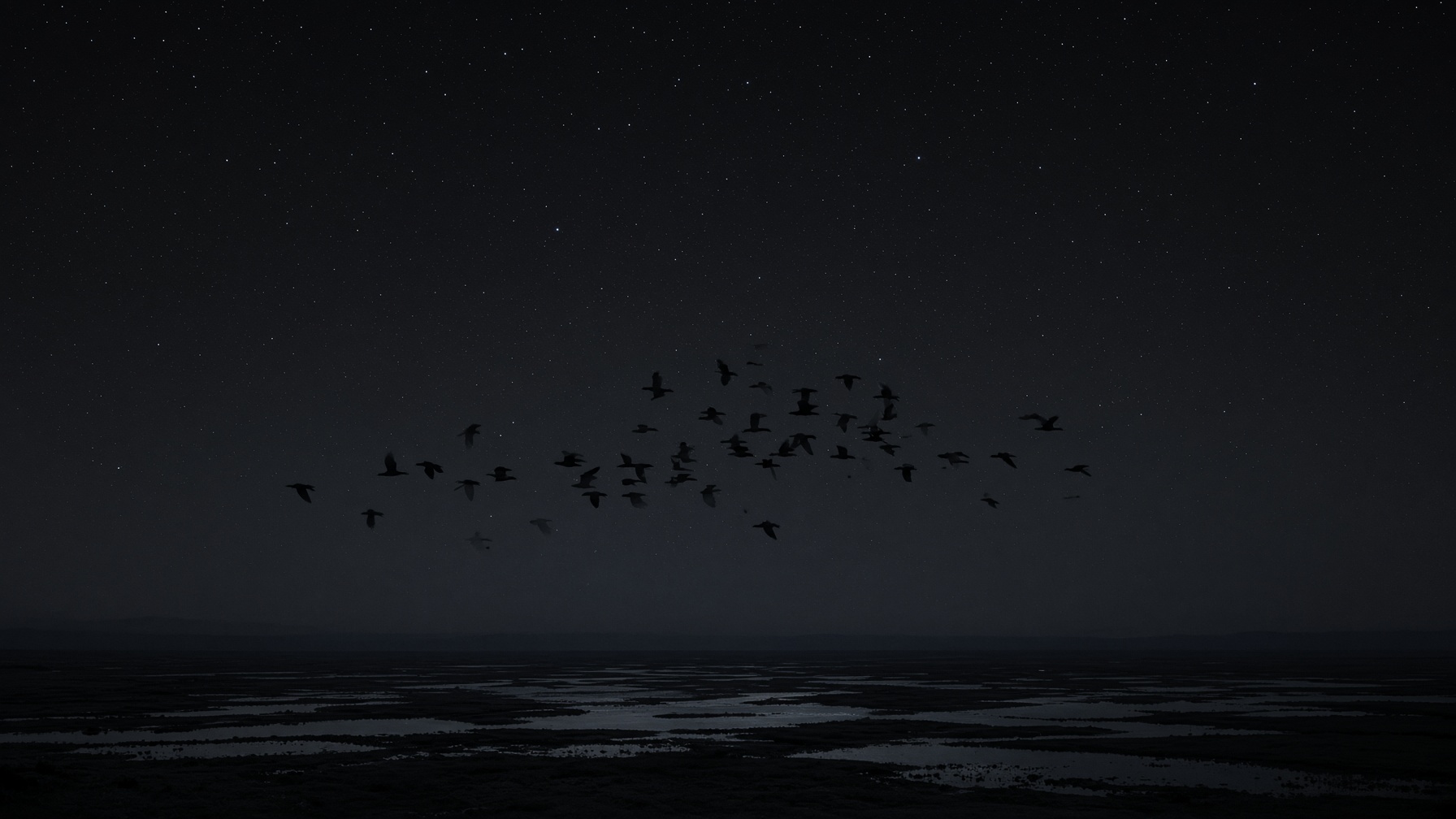
Holds · Documented across the 20th century; ongoing
Migratory birds
Placed beside human wayfinding because both use the night to go somewhere. The bird's method is a biological mechanism. Mau Piailug's method is a learned practice with a teacher. Those are different kinds of knowing.
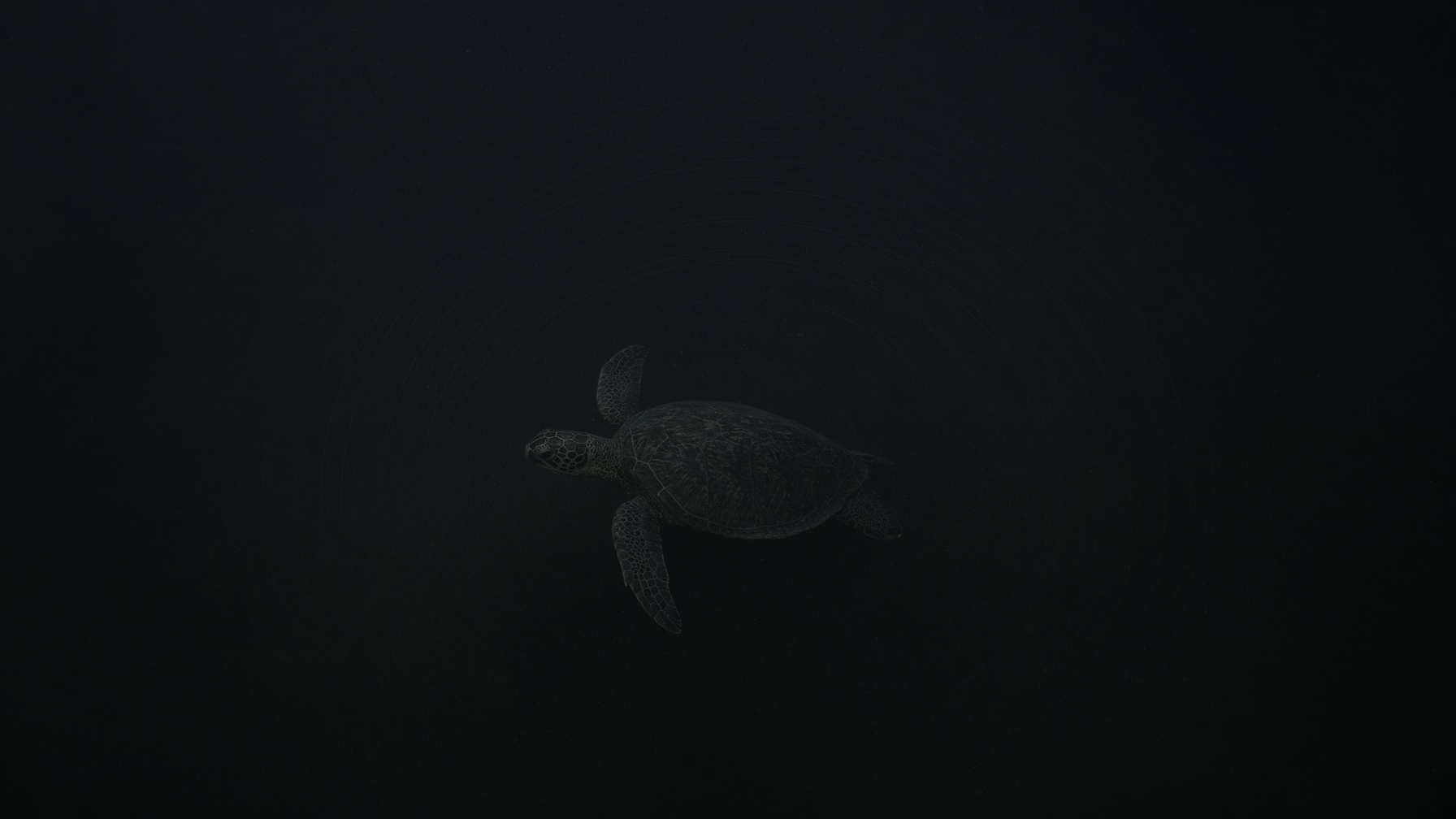
Holds · Experimental work from the 1990s onward
Sea turtles
Placed beside migratory birds as two biological solutions to 'which way now?' Placed beside Hōkūleʻa only as an editorial parallel of ocean travel. No claim that voyagers learned from turtles, or turtles from voyagers.
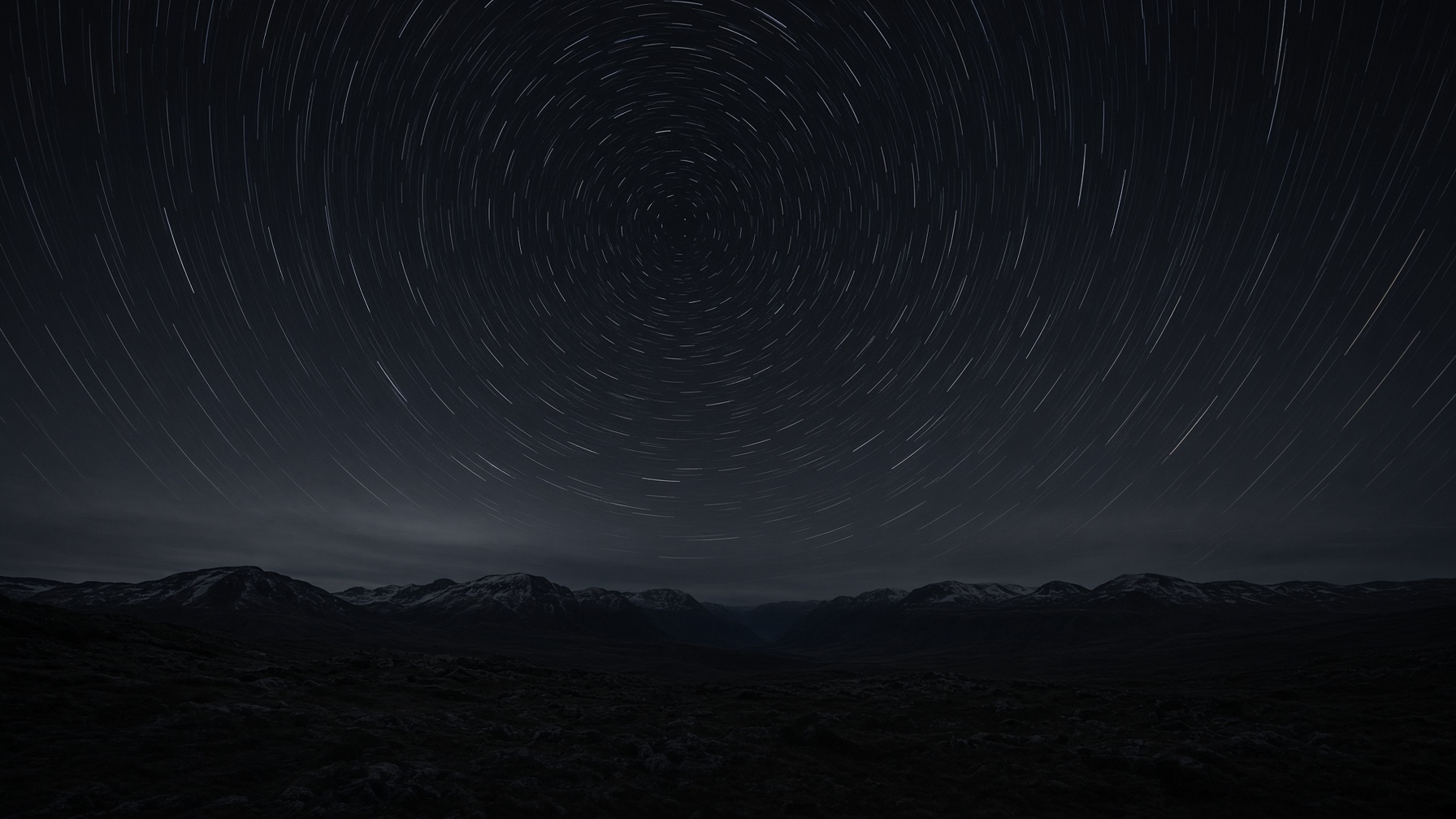
Holds · Present epoch; precession ongoing
Polaris
Placed beside Hōkūleʻa to keep the difference visible: Polynesian wayfinding does not depend on a north pole star. Placed beside the Magi to keep another difference visible: a pole star is geometry. A gospel star is a sign.
Holds · Archaic to Classical Greek, onward
Kosmos, as order
Placed at the philosophical end of the orientation thread. To find a way is, in one old sense, to find an order. That does not make kosmos a mechanism for birds or canoes.


